


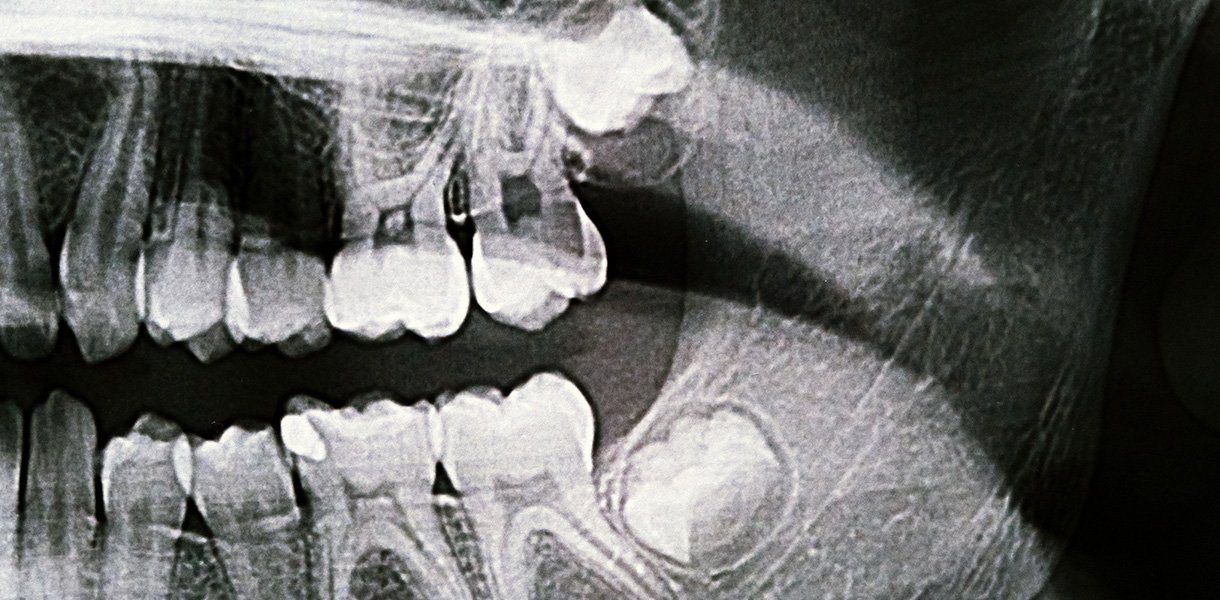
Wisdom teeth, aka third molars, are the last set of teeth to develop and emerge in oral cavity. They usually appear between the ages of 17 and 25, at the very back of your mouth behind your existing molars. While our ancestors needed these teeth to chew raw, tough foods, modern diets and utensils have made wisdom teeth largely unnecessary. Some people may have all four wisdom teeth, while others might have fewer or none at all – a normal variation in human anatomy.
When properly aligned, wisdom teeth can be a valuable asset. However, they often become misaligned or impacted, leading to various dental problems. Misalignment can cause crowding, damage to adjacent teeth, or jaw issues. Partially erupted wisdom teeth creates openings for bacteria, leading to increased risk of infection & decay. Due to their location, it becomes difficult to clean wisdom teeth properly. This makes them more susceptible to gum disease and cavities. In many cases, dentists recommend removal to prevent future complications.
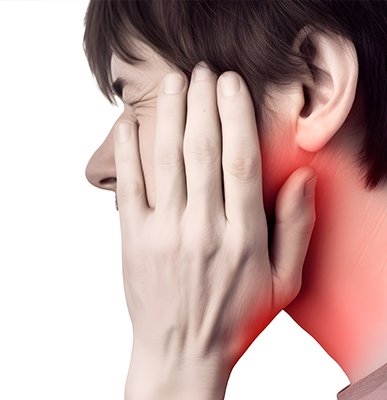
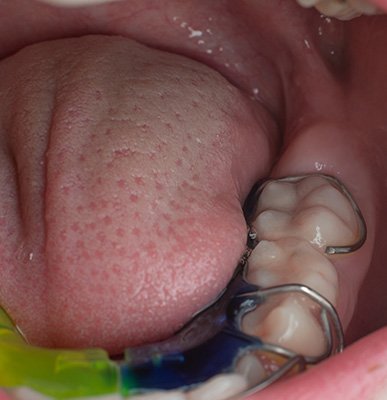
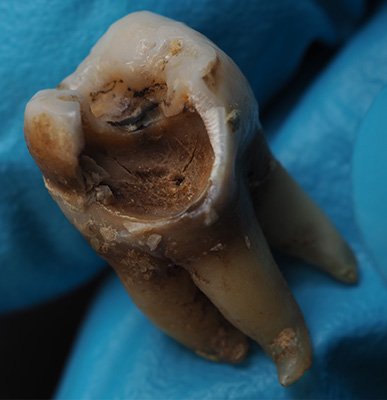
The wisdom tooth pain may be there for at most a couple of days. If all the necessary precautions suggested by your dentist are followed, it leads to faster recovery.